
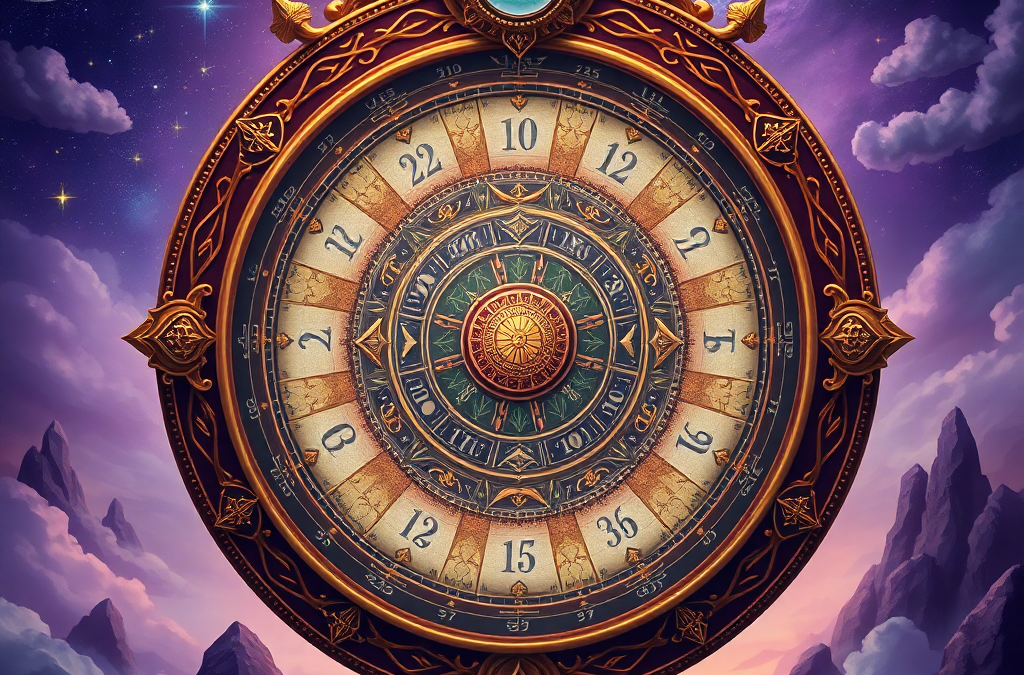
“Melvas 17th, Syvan, 8╥1071.”
That’s the first line of actual worldbuilding you get in The Rapture of Secrets, before a single character has said a word, and I will die on the hill that it’s doing more work than it looks like.
Why Bother With a Fake Calendar At All.
Here’s the thing about “it was a Tuesday” — it’s free. Everyone already knows what a Tuesday is. But “it was a Tuesday” also tells you literally nothing about the world you’re standing in. A made-up calendar costs you a little reader patience up front, sure, but it pays you back every single time, because it means the world was already running before page one and it’s going to keep running after the last page too. Nobody had to invent Syvan for my benefit. It was just… Tuesday, over there.
I’m not going to sit here and pretend I workshopped this technique like a genius. I just really like the aesthetic of a header that looks like it was stamped by a bureaucrat from another dimension. But it turns out that liking the aesthetic and it doing real narrative work aren’t mutually exclusive, so, hey. Win-win.
What It’s Actually Buying Me.
No exposition needed. I don’t have to stop the narrative to tell you time is passing, or that different chapters are happening in different places under a different sky. The header just tells you.
A sense of scale. “8╥1071” implies a very long history sitting behind this one scene, whether or not I ever explain the numbering system (I have not. I may never. You’ll live).
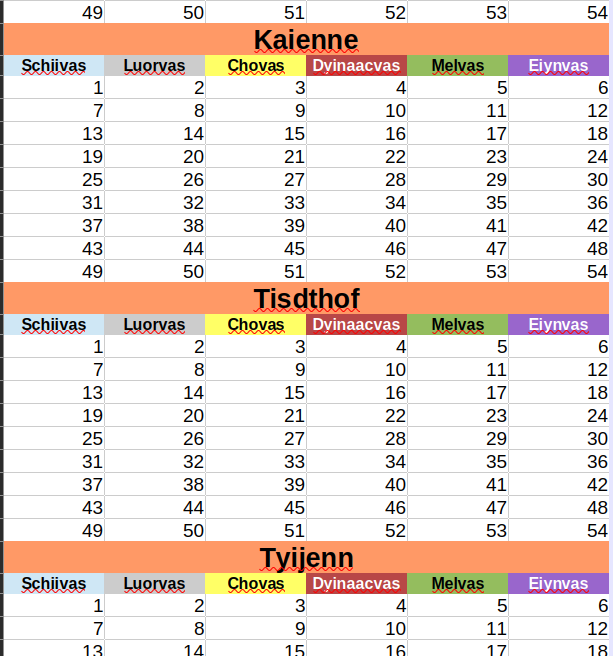
Texture for free. Different month-names (Syvan, Aszuul, Knapuani) sprinkled in without comment start to feel like seasons or regions the same way “October” does, even though you’ve never been told what any of them mean.
The Part Where I Almost Ruined It.
Funny enough, this is the exact same instinct that got me into trouble during the third draft — the one with the footnotes. I wanted so badly to explain the lore properly that I nearly buried the story under an appendix’s worth of context before the reader had earned any of it. The calendar header works precisely because it doesn’t explain itself. It’s a tiny, disciplined dose of “trust the reader,” sitting right at the top of every scene, and I had to relearn that lesson the hard way before I let myself actually use it right.
Small technique. Steal it if you want it.
Until next time.
~Shiri