
Storytelling Types
I promised this one a while back, in "On What to Write." I said the kind of storytelling you use deserves a post of its own, separate from genre and style. Here it is. Structure Is Not the Same Thing as Form Before getting into types, it's worth untangling two words...
Every Scene Starts With a Date Nobody Asked For.
“Melvas 17th, Syvan, 8╥1071.” That’s the first line of actual worldbuilding you get in The Rapture of Secrets, before a single character has said a word, and I will die on the hill that it’s doing more work than it looks like. Why Bother With a Fake Calendar At All....
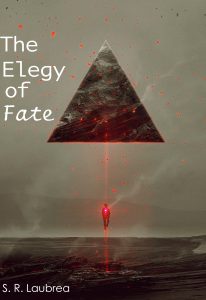
In a world where destiny is a fragile illusion, Mokallai’s cunning manipulation of Yonathael and Sara exemplifies the peril of trusting fate, especially when Dyiij, driven by love and vengeance, orchestrates a complex game involving a rebellious prince and a formidable kyusoa to challenge Mokallai’s ambitions.
As nations tear themselves apart and lives intertwine in unpredictable ways, the tension between the allure of freedom and the inevitability of fate deepens, leaving Rollond and Ashenzsi to choose whether to accept the roles offered to them—knowing that their decisions could either shatter Mokallai’s plans or cement his return to power—highlighting the profound uncertainty and peril within their tangled destinies.

Rollond, once a prince displaced and now an adventurer, faces the formidable challenge of establishing a safe haven from Mokallai’s manipulations, guided by the Alyi’s prophecy in a world where destiny’s spread threatens the cosmos.
His journey is fraught with peril, requiring resilience, leadership, and the courage to confront his own fears and uncertainties, as he strives to fulfill Dyiij’s demand and forge a sanctuary strong enough to withstand the dark influence of Mokallai. Whether he succumbs to the weight of his destiny or rises to become the protector his world needs hinges on his resolve and the alliances he will forge along the way.
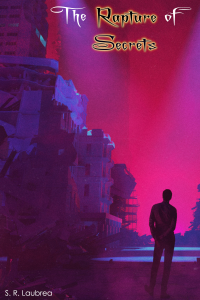
The sky does not break by accident.
A god calls himself Destiny. His followers call him nothing — they simply sing, and hand him their blood. To stop him, Dyiij summoned something worse: Eyuwre, the Purger of Worlds, whose every promise is true, and whose every truth costs someone everything.
Now the stones are whispering what should have been. And on Dyjian, everyone is about to answer the same question, whether they meant to or not —
Was it ever really your choice?

Amaiy gave up everything to survive: his world, his family, the body he was born in. Now, deep within Eyonim, he has a new one: grafted, chosen, hard-won. He has a home. A family that says it loves him. And a secret he cannot let any of them see.
Because Amaiy hasn’t stopped grieving. He’s been rebuilding Dyjian in the dark — reviving its people stone by stone, memory by memory, hiding the truth from the one being whose trust could undo everything: Eyuwre, the Core who remade him, who fears nothing more than what cannot be trusted to stay what it seems.
Every choice Amaiy makes costs him something real. A love he can’t have. A body no longer his own. Bonds he doesn’t fully understand, made faster than he can account for them. And the deeper he goes, the harder it becomes to tell whether he’s honoring the family he lost, or quietly becoming someone they wouldn’t recognize.
Some transformations can be undone. Others cannot.
And some things, once buried, don’t stay that way.
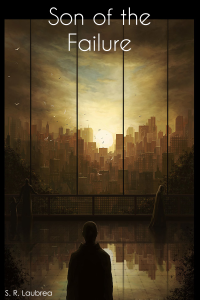
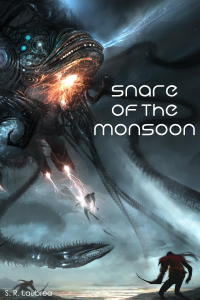
Marqisian’s journey from a sheltered life with his dictator father to integrating into the Whites of Malzeyur marks a significant transformation, highlighting his struggle to define his identity amidst shifting loyalties and newfound responsibilities. His reunion with his half brother rekindles his ambition to rise to power, yet it also deepens his internal conflict about the sacrifices and moral costs involved in pursuit of leadership.
This narrative explores themes of self-discovery, loyalty, and the moral dilemmas faced when personal ambitions clash with the greater good, leaving Marqisian questioning whether his ascent is worth the potential loss of his true self.
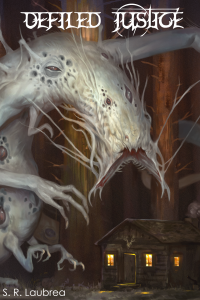
Shadiq’s torn loyalty between his love for his young lover and his duty to protect Marqisian thrusts him into a perilous journey into the swamp’s darkest depths, home to feared ash-skinned cannibals. As he navigates this treacherous landscape, he grapples with maintaining his personal bonds while trying to turn the cannibals from threats into allies, hoping that these fearsome people will serve as valuable assets rather than enemies in the emerging political landscape.
His internal conflict underscores the perilous balance between love, loyalty, and power, leaving his fate and the future of their fragile alliance hanging in the balance.